
Overview
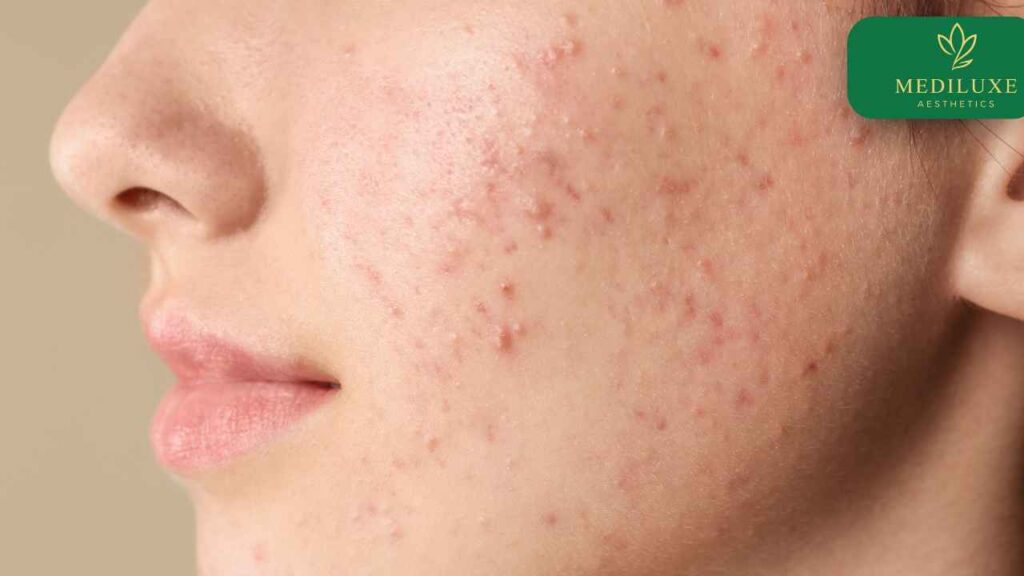
Patients frequently want to start scar treatment the moment a breakout clears, but starting too early is one of the most common reasons acne scar treatment underperforms. Active inflammation and healed scarring are different problems that call for different timing, and treating them in the wrong order, whether with microneedling, peels, or a Medifacial protocol, can make both worse rather than better.
For real patient results and behind-the-scenes clinic updates, follow Mediluxe on Instagram, or call +91 92118 75290 to speak with the clinic directly.
Why the Order of Treatment Actually Matters
Acne is an active inflammatory condition. Scarring is the aftermath once that inflammation has resolved. Starting resurfacing treatments like microneedling or medium depth peels while acne is still active can spread bacteria, trigger new breakouts, and in some cases worsen post-inflammatory pigmentation rather than improve texture.
This is why a proper consultation separates the two problems and treats them in sequence rather than trying to address both at once with a single protocol.
In simple terms, active acne involves inflamed follicles and bacteria that are still causing damage, while a scar is already settled tissue left behind after that damage has healed. Introducing microneedling points or peeling acids into skin that is still actively breaking out risks spreading the same bacteria across the treatment area, which is exactly the outcome a scar-focused procedure is supposed to prevent.
What Getting Active Acne Under Control First Looks Like
Bringing active acne under control typically means addressing oil production, clogged pores, and bacterial load through a combination of topical treatment, sometimes oral medication, and lifestyle adjustments. This phase can take anywhere from six to twelve weeks depending on severity before the skin is stable enough for scar-focused procedures.
For a deeper look at why scars linger even after breakouts clear, our earlier article on why acne scars take so long to fade covers the biology of how scar tissue forms differently from active inflammation.
Once active acne is genuinely under control, some patients ask whether an injectable like PRP can support recovery alongside resurfacing. It can, in the right case, once the underlying inflammation has settled. Our guide on who is a good candidate for PRP or GFC in Janakpuri explains where this fits into a broader plan and who tends to see the most benefit from it.
When Scar-Focused Treatment Actually Becomes Appropriate
Once active breakouts have been clear for at least four to six weeks with no new lesions forming, the skin is generally ready for scar-focused treatment. This is when microneedling, chemical peels, or laser resurfacing can be introduced without the risk of aggravating still active inflammation.
Patients who jump straight to aggressive resurfacing while still breaking out often end up needing longer overall treatment timelines than if they had waited the extra few weeks to stabilise first.
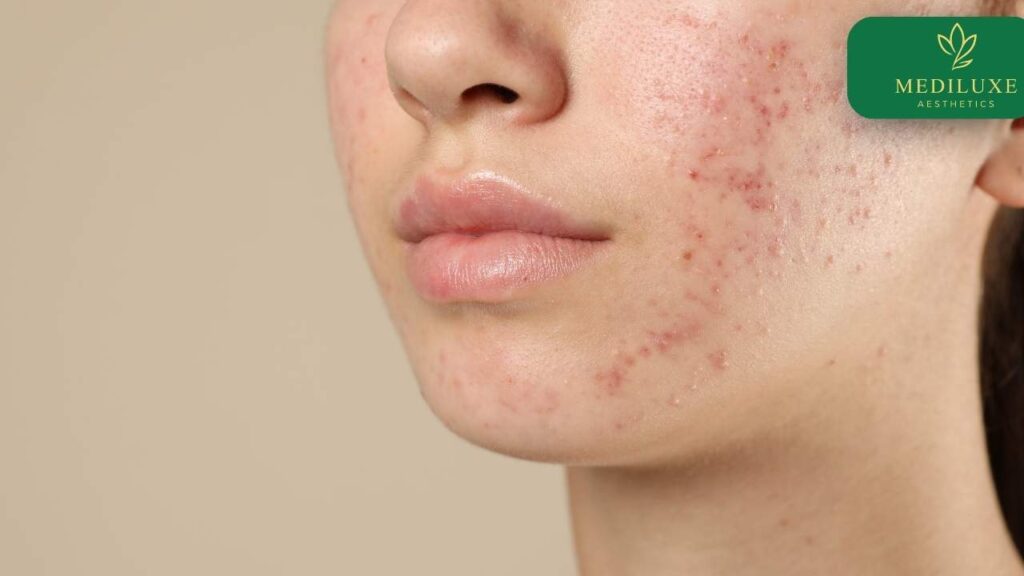
It also helps to know that not all acne scars are the same, and treatment choice depends on the type rather than treating scarring as one uniform category. Ice pick scars, boxcar scars, and rolling scars respond differently to microneedling, peels, and laser resurfacing, which is another reason a generic package rarely performs as well as a plan built around your specific scar pattern.
Why Rushing This Sequence Backfires So Often
The appeal of starting everything at once is understandable, especially for anyone who has been dealing with acne for years and wants results quickly. But resurfacing an inflamed, still active surface tends to extend healing time, increase the risk of new pigmentation, and in some cases undo progress rather than accelerate it.
A clinic that insists on stabilising active acne first, even if it delays the more visually appealing scar treatment, is generally protecting your timeline rather than slowing it down unnecessarily.
Once scar treatment does begin, glow and hydration maintenance still matters between procedures. A HydraFacial or a targeted Medifacial is often used to keep skin comfortable and even-toned in the gaps between more intensive scar sessions; our comparison of HydraFacial vs Medifacial in Janakpuri: which do you need explains which of the two suits this maintenance phase better.
What Skin Maintenance Looks Like Once Both Phases Are Done
Once active acne has been controlled and a scar-focused protocol has been completed, the priority shifts to maintenance rather than active correction. Daily sunscreen, gentle actives introduced gradually rather than all at once, and periodic check-ins with your clinic are what protect the results of both earlier phases. If you are also managing another laser or resurfacing protocol alongside your skin plan, our guide on laser hair reduction aftercare in Janakpuri covers similar principles around pacing sessions correctly.
Occasional touch-up sessions, spaced months apart rather than weeks, are usually enough to maintain progress once the initial two-phase treatment plan is complete.
Conclusion
Treating acne and treating acne scars are two different clinical problems with two different timelines, and sequencing them correctly is often what separates a treatment plan that works from one that quietly stalls. A proper assessment should tell you which phase you are actually in before recommending any procedure. Book an acne and acne scar assessment with Mediluxe Aesthetics in Janakpuri
Looking to compare more treatments before you decide? Browse the full Mediluxe blog library for more guides on acne, acne scarring, and skin resurfacing treatments.
Frequently Asked Questions
1. How long should I wait after acne clears before starting scar treatment?
Ans. Most dermatologists recommend waiting four to six weeks after your last active breakout before starting resurfacing treatments.
2. Can I treat acne and acne scars in the same session?
Ans. Generally no. Active inflammation and scar tissue respond to different treatments, and combining them too early can worsen pigmentation.
3. What treatments work best for acne scars once acne is controlled?
Ans. Microneedling, chemical peels, and laser resurfacing are commonly used, often in combination depending on the type and depth of scarring.
4. Will acne come back after scar treatment if the underlying cause was not addressed?
Ans. Yes, which is why treating the root cause of acne first is essential before investing in scar-focused procedures.
5. Can diet or lifestyle changes speed up acne scar improvement?
Ans. They can support overall skin health, but established scar tissue generally needs a procedural intervention like microneedling or peels rather than diet alone to visibly improve.
6. Is it normal for acne to flare up again during scar treatment?
Ans. Occasional breakouts can happen, and mentioning them promptly to your clinic allows the ongoing scar protocol to be paused briefly rather than continued through active inflammation.
CTA
Book an acne and acne scar assessment with Mediluxe Aesthetics in Janakpuri