
Overview
Skin tightening now covers several genuinely different technologies, from radiofrequency to HIFU to thread-based approaches, and clinics often market all of them under the same broad promise without explaining which one actually suits your degree of laxity, age, and treatment area. Picking based on the technology name alone, rather than what your skin actually needs, is where most disappointing results start, and this is often the same conversation patients have alongside preventive Botox when planning an early prevention routine.
For real patient results and behind-the-scenes clinic updates, follow Mediluxe on Instagram, or call +91 92118 75290 to speak with the clinic directly.
Radiofrequency: The Gentlest Starting Point
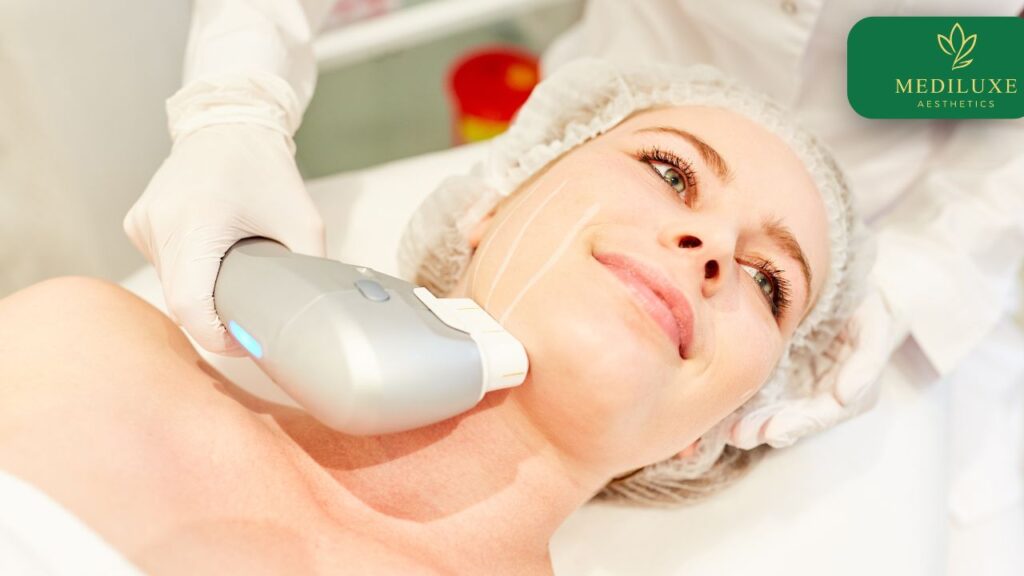
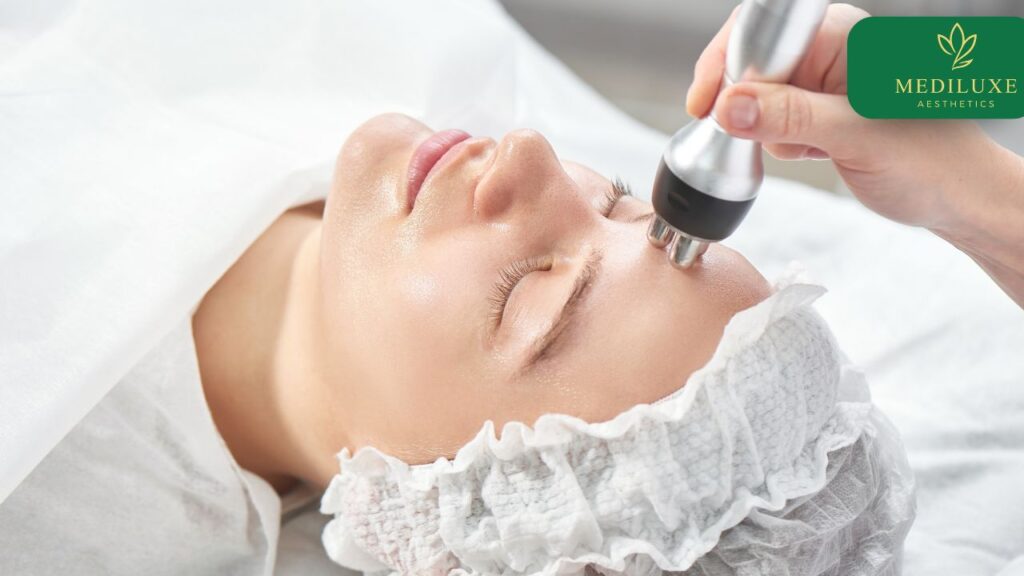
Radiofrequency treatments heat the deeper layers of skin to stimulate collagen production gradually over several sessions. This makes it well suited to early laxity, fine lines, and patients who want a gradual, low downtime approach rather than a single dramatic intervention.
Results build over weeks to months and typically require a course of sessions rather than a single visit, which is worth planning for before starting.
Radiofrequency is also often the first energy-based treatment patients consider alongside other early prevention choices. Patients already considering preventive Botox in Janakpuri for early expression lines often ask about radiofrequency in the same consultation, since the two address different signs of ageing rather than competing with each other.
HIFU: Deeper Reach for More Established Laxity
High Intensity Focused Ultrasound reaches deeper into the skin than radiofrequency, targeting the same structural layer addressed in surgical facelifts, without the incisions. This makes it more appropriate for moderate laxity, particularly around the jawline and neck, where radiofrequency alone may not produce a noticeable enough change.
HIFU sessions are typically spaced further apart, sometimes months, since the collagen remodelling process it triggers takes longer to fully show.
In simple terms, HIFU focuses ultrasound energy at specific depths and points beneath the skin, similar to using a magnifying glass to focus sunlight at a single spot, which triggers a controlled healing response in that deeper structural layer without affecting the surface. This is why the visible result unfolds gradually over three to six months rather than appearing right away.
How Age and Laxity Level Should Actually Guide the Choice
Patients in their late twenties and early thirties noticing early fine lines or mild loss of firmness are usually well served by radiofrequency as a maintenance approach. Patients in their forties and beyond with more visible jowling or sagging often need HIFU, sometimes combined with radiofrequency, to see a meaningful difference.
This is also where a treatment like PRP or GFC can play a complementary role, since collagen-stimulating injectables and energy-based tightening devices often work well together rather than as competing options.
A combined plan over a year might look like radiofrequency sessions in the first few months to build a baseline of collagen support, a single HIFU session around the three to four month mark once the skin has responded to the initial phase, a reassessment after that, and periodic radiofrequency top-ups afterward to maintain the result.
When Non-Surgical Options Are No Longer Enough
It is worth being honest that non-surgical skin tightening has limits. Significant skin laxity, particularly after major weight loss or advanced ageing, may respond only partially to radiofrequency or HIFU, and a proper consultation should say so rather than promising surgical-level results from a non-surgical device.
Between tightening sessions, many patients maintain glow and hydration with a facial rather than another energy-based treatment. Our comparison of HydraFacial vs Medifacial in Janakpuri: which do you need explains how to fit that into the gaps between tightening sessions.
What a Combined Skin Tightening Plan Can Look Like Over a Year
A realistic annual plan for moderate laxity might start with a short course of radiofrequency sessions in the first quarter to build a foundation, followed by a single HIFU session once the skin has had time to respond, a reassessment a few months later, and lighter maintenance sessions spaced through the rest of the year. Patients layering in collagen-stimulating injectables alongside their tightening plan often ask about candidacy first, so our guide on who is a good candidate for PRP or GFC is worth reading in parallel.
Not every patient needs this full sequence. A proper consultation should scale the plan to your actual starting point rather than defaulting to the most extensive option available.
Conclusion
Radiofrequency and HIFU are not competing versions of the same treatment. They address different depths and degrees of skin laxity, and the right choice depends on an honest assessment of where your skin actually is right now, not on which technology sounds more advanced. Book a skin tightening consultation with Mediluxe Aesthetics in Janakpuri
Looking to compare more treatments before you decide? Browse the full Mediluxe blog library for more guides on skin tightening, radiofrequency, and HIFU treatments.
Frequently Asked Questions
1. Is HIFU better than radiofrequency for skin tightening?
Ans. Neither is universally better. HIFU reaches deeper and suits more established laxity, while radiofrequency suits earlier, milder concerns.
2. How many sessions are needed to see results?
Ans. Radiofrequency often needs a course of four to six sessions, while HIFU may show results from a single session with further improvement over three to six months.
3. Is skin tightening painful?
Ans. Radiofrequency is generally comfortable with mild warmth. HIFU can cause brief, sharp sensations during treatment, which most patients tolerate well.
4. At what age should I start considering skin tightening treatments?
Ans. There is no fixed age. It depends on when you notice early laxity, which can begin in the late twenties for some and much later for others.
5. Can skin tightening be done on the body, or only the face and neck?
Ans. Yes, radiofrequency and HIFU are both commonly used on body areas such as the abdomen, arms, and thighs, in addition to facial and neck treatment.
6. Is there any downtime after HIFU?
Ans. Most patients resume normal activities immediately, though mild swelling or tenderness in the treated area for a day or two is common.
CTA
Book a skin tightening consultation with Mediluxe Aesthetics in Janakpuri