
Overview
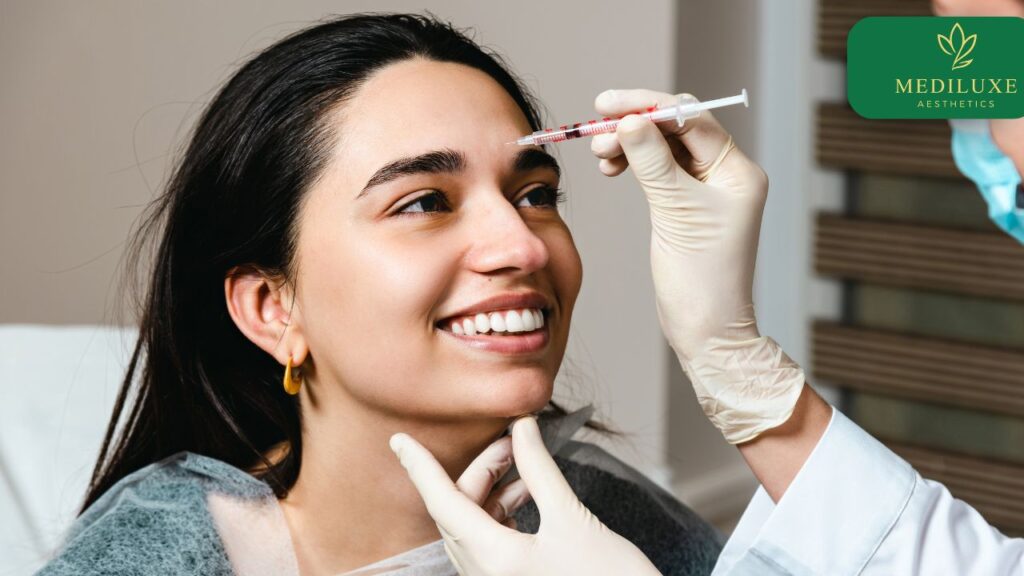
Preventive Botox has become a common enough conversation among people in their twenties that it no longer feels like an early adopter decision, but the science behind starting early is more nuanced than social media tends to present it. Whether it makes sense for you depends less on your age number and more on how your specific facial muscles behave, and how that compares with gentler options like skin tightening.
For real patient results and behind-the-scenes clinic updates, follow Mediluxe on Instagram, or call +91 92118 75290 to speak with the clinic directly.
What Preventive Botox Is Actually Trying to Prevent
The idea behind preventive Botox is straightforward. Repeated muscle movement, such as frowning or raising your eyebrows, gradually etches lines into the skin over years. By relaxing the targeted muscles before those lines become static, the theory is that you delay the point at which movement lines become visible even at rest.
This is different from treating existing static wrinkles, which is the more familiar use of Botox in older patients. Preventive use is about muscle behaviour over time, not correcting something that has already formed.
A simple way to picture the difference is a line that only appears when you frown versus a line that is visible on your forehead even with a completely relaxed expression. The first is a dynamic line and the entire basis for preventive treatment; the second is a static line, which is the more familiar territory of corrective Botox in older patients.
Who Actually Benefits From Starting Early
Patients with strong, expressive facial muscles, particularly around the forehead and between the eyebrows, tend to develop dynamic lines earlier and are more likely to see genuine benefit from starting in their late twenties or early thirties. If you already notice lines forming when you are not making any expression at all, that is a reasonable signal to have a proper consultation rather than guessing based on age alone.
Patients with naturally minimal muscle movement in these areas may see little practical benefit from starting early, since there is less repetitive movement to modify in the first place.
Family history plays a role here too, since how early static lines tend to appear often runs in families. That said, checking your own forehead in the mirror for early lines is not a substitute for a professional assessment of your specific muscle activity, since what looks like an early line to you may simply be a fold that settles the moment your expression relaxes.
What a Responsible Preventive Botox Plan Actually Looks Like
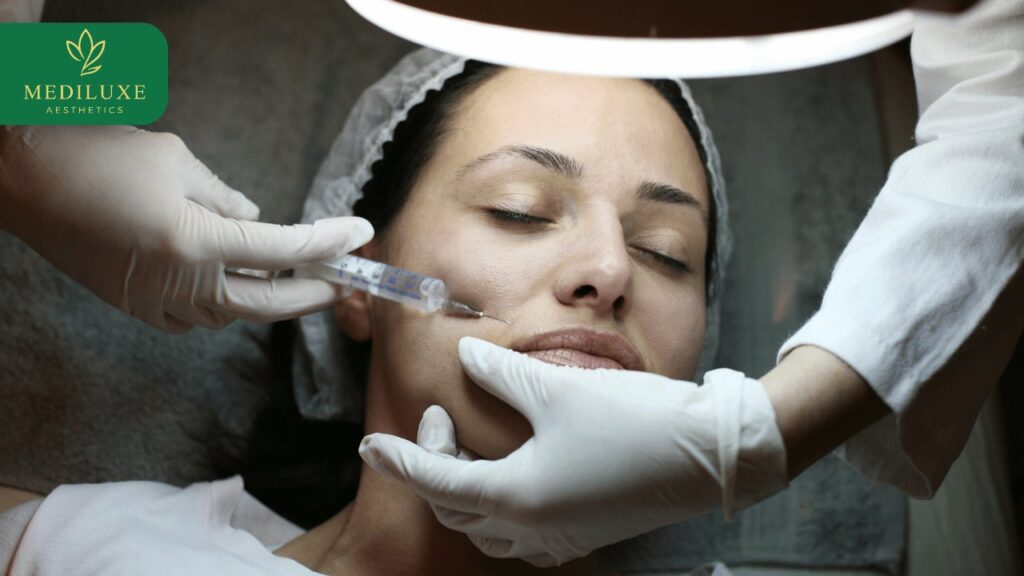
Preventive Botox at a younger age typically uses lower doses than treatment for established wrinkles, aiming to soften rather than fully freeze muscle movement. Sessions are usually spaced further apart than for older patients, since the goal is gradual, cumulative prevention rather than immediate correction.
For readers weighing Botox against other injectable options, our dedicated Botox clinic guide covers dosing and treatment areas in more detail.
A responsible plan is also reassessed periodically rather than fixed indefinitely. Doses and spacing that suit you in your late twenties may need to shift as your skin and muscle behaviour change over the following years, which is why an annual check-in with your clinic matters more than sticking rigidly to whatever plan you started with.
When It Is Genuinely Too Early, or Simply Unnecessary
Patients with minimal facial movement, very smooth skin, or no family history of early line formation may be better served waiting and reassessing every few years rather than starting a routine immediately. There is no medical downside to waiting, and preventive Botox is not a use it or lose it treatment.
A clinic that recommends starting immediately for every patient regardless of muscle activity is optimising for bookings rather than for what your face actually needs.
Patients who decide to wait are not left with nothing to do in the meantime. Our guide on which skin tightening technology is right for you covers gentler, non-injectable options like radiofrequency that some patients choose as a starting point instead.
How Preventive Botox Fits Alongside Other Early Skin Care Choices
Preventive Botox rarely works in isolation as the only skin decision someone makes in their twenties or thirties. Daily sunscreen and a basic actives routine remain the foundation underneath any injectable choice, and some patients also layer in a collagen-supporting treatment for glow alongside their Botox schedule. Our guide on who is a good candidate for PRP or GFC in Janakpuri explains how that fits in for patients thinking about early rejuvenation more broadly, beyond just muscle relaxation. For patients already noticing early laxity alongside expression lines, our guide on which skin tightening technology is right for you explains how tightening treatments fit into the same long-term plan.
Conclusion
Preventive Botox is not automatically right or wrong at any specific age. It depends on how your individual facial muscles behave and whether an honest assessment shows early dynamic lines worth addressing, rather than following a trend because everyone else your age is talking about it. Book a Botox consultation with Mediluxe Aesthetics in Janakpuri
Looking to compare more treatments before you decide? Browse the full Mediluxe blog library for more guides on preventive Botox and other early anti-ageing treatments.
Frequently Asked Questions
1. Is Botox safe to start in your twenties?
Ans. Yes, when administered by a qualified professional at an appropriate low dose based on an individual assessment of your facial muscles.
2. How is preventive Botox different from regular Botox treatment?
Ans. Preventive Botox typically uses lower doses aimed at softening muscle movement before static lines form, rather than correcting existing wrinkles.
3. How often does preventive Botox need to be repeated?
Ans. Sessions are generally spaced further apart than treatment Botox, often every four to six months depending on individual muscle activity.
4. Will starting Botox early make my muscles weaker over time?
Ans. No, the effect is temporary, and muscle function returns to normal between sessions as the treatment wears off.
5. Does preventive Botox change how expressive my face looks?
Ans. At the low doses typically used for prevention, most patients retain natural expression, since the goal is softening repetitive movement rather than eliminating it entirely.
6. What happens if I start preventive Botox and later decide to stop?
Ans. Nothing adverse happens. Muscle movement and any associated lines simply return to how they were before treatment once the effect wears off.
CTA
Book a Botox consultation with Mediluxe Aesthetics in Janakpuri